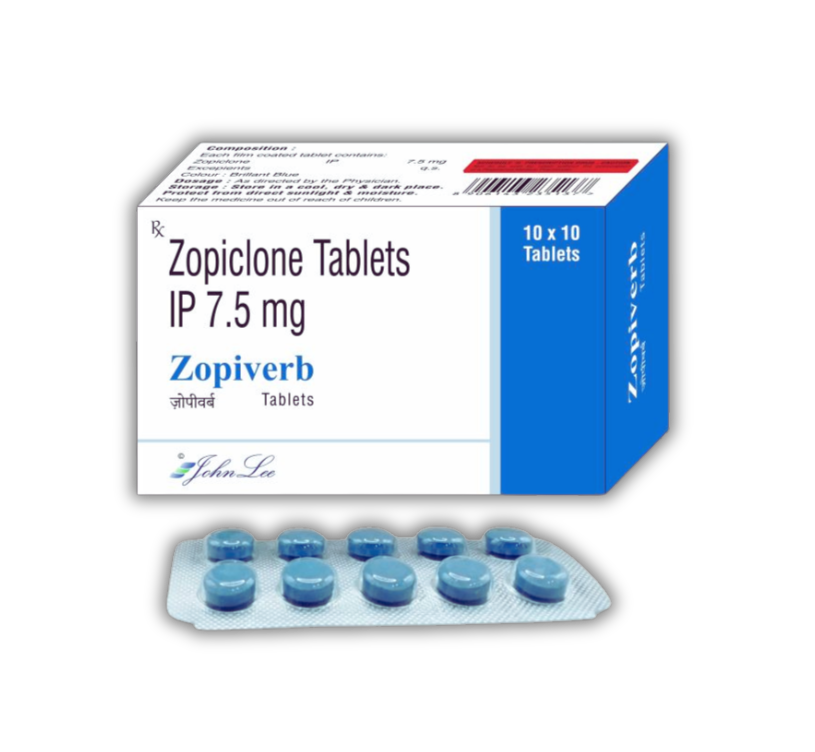
Description
Zopiclone stands out as one of the most commonly prescribed medications for short-term insomnia in many countries. It works by boosting gamma-aminobutyric acid (GABA), the main inhibitory neurotransmitter in the brain, to help people relax and fall asleep.
Scientific evidence shows zopiclone can reduce the time it takes to fall asleep and limit night-time awakenings. It also improves overall sleep quality when used under proper medical supervision.
Recent research looks at zopiclone not just as a sleep aid but also at its effects on daily functioning and cognitive performance, especially in older adults. When taken as directed, zopiclone is generally well tolerated, though using it for too long can lead to dependence, drowsiness, and a higher risk of falls.
By blending neuroscience and clinical trial data, researchers keep refining how zopiclone stacks up against other sleep medications. Its unique pharmacological profile and duration of action make it a key focus for those seeking safe, effective insomnia treatments.
Key Takeaways
- Zopiclone helps restore normal sleep patterns by enhancing GABA activity in the brain.
- Research supports its short-term use for insomnia with proven improvements in sleep quality.
- Responsible prescribing remains essential to prevent dependence and maintain safety.
Mechanism of Action and Pharmacology
Zopiclone mainly works by modulating the gamma-aminobutyric acid (GABA_A) receptor complex. This action ramps up inhibitory neurotransmission in the brain.
Its chemical structure and how it interacts with receptors set it apart from benzodiazepines, though it produces similar sleep-inducing effects.
Pharmacodynamics of Zopiclone
Zopiclone falls under the cyclopyrrolone class of hypnotics. It binds to the GABA_A receptor complex and brings on sedative, anxiolytic, and muscle-relaxant effects.
The drug acts as a positive allosteric modulator, boosting GABA’s affinity for its receptor and allowing more chloride ions to flow in. This hyperpolarizes nerve membranes and calms down brain activity.
Studies show zopiclone binds non-selectively to receptor subtypes with α1, α2, α3, and α5 subunits. Unlike typical benzodiazepines, it doesn’t rely solely on GABA facilitation and uses a slightly different binding spot.
This results in similar sleep-inducing effects without much change to REM sleep or next-day anxiety rebound, at least when used short term.
Electrophysiological data reveal zopiclone boosts GABAergic currents but doesn’t cause tolerance or receptor desensitization as quickly as classic benzodiazepines.
Pharmacokinetics and Metabolism
People absorb zopiclone quickly after taking it orally, reaching peak plasma levels in 1–2 hours. Its bioavailability sits around 75–80%, and eating doesn’t make much difference.
Zopiclone has a distribution half-life under an hour and a terminal elimination half-life of about 5 hours, which fits its use as a short-term hypnotic.
The liver metabolizes zopiclone mainly via CYP3A4 and CYP2C8 enzymes. Its main metabolites, N-desmethylzopiclone and zopiclone-N-oxide, have much lower activity.
Less than 10% of the original drug leaves the body unchanged in urine. Elderly people or those with liver problems clear it more slowly, so doctors usually start with lower doses in these groups.
Comparison with Other Hypnotic Drugs
Zopiclone is chemically different from both benzodiazepines and barbiturates, though all of them act on GABAergic systems. Compared with benzodiazepines like temazepam, zopiclone leads to fewer lingering effects such as vertigo or next-day grogginess at similar doses.
When compared to zolpidem and zaleplon, zopiclone’s broader receptor binding brings slightly longer-lasting effects. Its intermediate half-life helps people stay asleep without much risk of drug build-up.
| Drug | Structural class | Mean elimination half-life | Main receptor subtype selectivity |
|---|---|---|---|
| Zopiclone | Cyclopyrrolone | ~5 hours | Non-selective (α1–α5) |
| Zolpidem | Imidazopyridine | 2–3 hours | Predominantly α1 |
| Zaleplon | Pyrazolopyrimidine | 1 hour | Predominantly α1 |
These pharmacological differences help explain why hypnotics vary in how fast they work, how long they last, and how much grogginess they cause the next day.
Clinical Efficacy in Treating Insomnia
Zopiclone shows steady benefits for people with insomnia. It helps with falling asleep, staying asleep, and getting better overall sleep.
Placebo-controlled and comparative trials back up its effectiveness for short-term use and certain sleep disorders. Long-term use, though, needs extra caution due to safety and tolerance issues.
Randomised Controlled Trials and Placebo Comparisons
Multiple randomized controlled trials (RCTs) show that zopiclone outperforms placebo for adults with primary and secondary insomnia. People taking zopiclone report falling asleep faster and waking up less during the night.
Polysomnography studies often find longer total sleep time (TST) and better sleep efficiency (SE) with zopiclone. Meta-analyses suggest zopiclone’s benefits match those of other “Z-drugs” like eszopiclone and zolpidem.
Placebo-controlled trials show zopiclone can cut sleep onset latency by 20–40 minutes and improve subjective sleep quality. The most common side effects are a bitter taste and mild daytime drowsiness, but most people tolerate them well.
Short-Term and Long-Term Efficacy
Short-term studies (2–4 weeks) show zopiclone helps restore regular sleep patterns without major hits to cognition or coordination. Clinical trials often find people wake up less and sleep more soundly during the first weeks of treatment.
But when it comes to long-term use, things get murkier. Tolerance and dependence can creep in, and the benefits for sleep maintenance may fade after a few months.
Recent studies recommend checking in after four weeks of use. Some people with chronic insomnia may still benefit, but prescribers usually try to taper the dose or use it intermittently if possible.
| Duration | Observed Effect | Notable Concerns |
|---|---|---|
| 1–4 weeks | Marked improvement in sleep onset and continuity | Mild next-day sedation |
| >3 months | Modest continued benefit | Risk of tolerance, dependence |
Impact on Sleep Disorders and Chronic Insomnia
Zopiclone works across a range of sleep disorders, especially chronic insomnia. People with long-term sleep problems often deal with fragmented, non-restorative sleep, and zopiclone helps by boosting both sleep duration and depth.
When used properly, it can improve daytime functioning, helping people feel more alert and less fatigued. Comparative studies show zopiclone and other benzodiazepine receptor agonists work about as well for chronic insomnia, though orexin receptor antagonists (ORAs) may have a better long-term safety record.
Doctors often reach for zopiclone for short-term relief, especially when behavioral therapies aren’t practical or available.
Influence on Sleep Onset Latency and Sleep Quality
Zopiclone reliably shortens sleep onset latency, helping people fall asleep 15–30 minutes faster on average. It does this by enhancing GABAergic activity, which relaxes the brain and body.
Studies show consistent improvements in both subjective and objective sleep measures, confirmed by polysomnography. Sleep quality also improves, with fewer night-time arousals and a stronger sense of restfulness.
Unlike older sleep meds, it leaves REM sleep mostly untouched and doesn’t cause as much morning grogginess. People often report better morning alertness compared to benzodiazepines.
Effects on Quality of Life and Daytime Functioning
Zopiclone can shape how people feel and function during the day by boosting sleep quality and cutting down on nighttime awakenings. The focus here is on self-reported well-being, fatigue, alertness, and any cognitive or psychomotor issues that might pop up after use.
Improvements in Patient-Reported Outcomes
Studies looking at quality of life (QoL) for people with insomnia find small but real improvements after zopiclone treatment. Folks usually report better sleep satisfaction, improved mood in the morning, and less emotional stress.
These effects show up most during short-term therapy, when getting enough sleep really lifts energy and emotional stability. Clinical trials comparing zopiclone with cognitive behavioral therapy for insomnia (CBT-I) and placebo suggest zopiclone brings faster subjective gains, but those benefits don’t always stick around after stopping the medication.
In older adults, zopiclone helps with sleep continuity and perceived restfulness, which can boost confidence and motivation for daily activities. That said, objective tests of daytime functioning often show smaller gains than people report themselves.
Impact on Fatigue and Daytime Sleepiness
Reports indicate zopiclone may reduce fatigue tied to poor sleep maintenance, especially for those with chronic insomnia. By increasing total sleep time and cutting down on awakenings, it helps people feel more energized through the day.
Still, some users mention lingering mild sedation or grogginess the next morning, especially with higher doses or not enough sleep. Usually, these effects fade with the right dose and short-term use.
Interestingly, there’s a gap between how tired people feel and how sleepy they actually are in tests. Many insomnia patients feel worn out without showing much measurable sleepiness, which suggests zopiclone may help more with perceived fatigue than with true physiological sleepiness.
Assessment of Next-Day Performance and Cognitive Effects
Researchers have looked closely at zopiclone’s residual effects using psychomotor and cognitive tests. After a typical bedtime dose of 7.5 mg, most healthy adults show only mild or no performance decline the next morning if they get enough sleep.
Driving simulator and memory tests usually return to normal within 8–10 hours after taking the medication. That’s good news if you’re worried about lingering grogginess.
Older adults or people with liver issues may clear the drug more slowly, which can raise the risk of next-day impairment. So, guidelines suggest starting with the lowest effective dose and steering clear of activities needing full alertness if you feel sedated the next day.
Lab comparisons with placebo and other sleep aids, like benzodiazepines, show comparable or even lower risks of next-day drowsiness with zopiclone. If you use it as directed, most evidence points to minimal cognitive disruption during waking hours.
Safety, Tolerability, and Adverse Effects
Zopiclone has a decent short-term safety record when people use it as prescribed. Still, tolerability can really vary from person to person.
Mild neurological symptoms and the chance of dependence are important things to weigh up when considering its risks and benefits.
Common Side Effects: Headache and Dizziness
Clinical studies say headache and dizziness are the most common mild side effects. These symptoms often pop up in the first days of treatment and tend to fade as your body gets used to the drug.
Dizziness happens more in older adults or when zopiclone’s mixed with other central nervous system (CNS) depressants. Headaches show up in about 5–10% of users, and dizziness in around 3–7%.
Both side effects are more likely with higher doses and if there’s next-day sedation. If headaches stick around, doctors often try lowering the dose or changing when you take it to help ease symptoms.
Monitoring strategies:
- Skip alcohol and other sedatives.
- Take zopiclone right before you go to bed.
- Check your medication list for drugs that could boost CNS depression.
Risk of Dependence and Nonmedical Usage
Zopiclone’s safer than old-school hypnotics, but there’s still a risk of dependence and misuse. Using it long-term or at high doses can lead to tolerance, which means it stops working as well and you might get withdrawal symptoms if you stop suddenly.
Withdrawal can show up as anxiety, rebound insomnia, or irritability. Some people have used zopiclone nonmedically, especially those with a history of substance misuse.
Surveys suggest psychological dependence can develop even without obvious physical withdrawal, especially if people rely on the drug to handle stress or tough emotions. That risk goes up if you use it for more than four weeks.
Doctors are advised to keep the treatment short, taper doses slowly, and check in often to see if you still need it. Patient education about these risks is a big part of safe prescribing.
Comparative Safety Profile with Other Treatments
Compared to other hypnotics like benzodiazepines, zopiclone usually has a shorter elimination half-life and less next-day grogginess. That’s actually a plus for folks who need to drive or work machinery.
In direct studies, zopiclone works about as well as zolpidem, though users report a slightly higher chance of bitter taste and next-day drowsiness. Benzodiazepines, on the other hand, are more likely to cause cognitive problems and slow your reflexes.
| Drug Class | Half-Life (hrs) | Key Tolerability Notes |
|---|---|---|
| Zopiclone | 5–6 | Mild dizziness, metallic taste |
| Zolpidem | 2–3 | Shorter duration, potential rebound insomnia |
| Benzodiazepines | 10–40 | Greater risk of cognitive slowing and dependence |
Frequently Asked Questions
Zopiclone is used for short-term insomnia. It mainly works by affecting neurotransmission in the brain.
What is the mechanism of action of zopiclone in the treatment of insomnia?
Zopiclone attaches to gamma-aminobutyric acid type A (GABA_A) receptor complexes at the benzodiazepine site. By boosting GABA’s inhibitory effects, it calms down brain activity.
This action helps you fall asleep and stay asleep by causing sedation and cutting down how long it takes to drift off. Unlike benzodiazepines, it doesn’t really relax muscles or reduce anxiety much, so it’s more selective as a sleep aid.
Are there any recent advancements in the formulation of zopiclone to improve its efficacy?
Researchers are looking into modified-release and enantiomer-specific forms, like eszopiclone, to help people sleep through the night and cut down on next-day grogginess.
These new versions try to find the sweet spot between getting to sleep fast and avoiding lingering sedation, by tweaking how the drug’s absorbed and eliminated.
What are the long-term effects of zopiclone on sleep architecture and quality?
Studies show zopiclone can boost total sleep time and self-reported sleep quality, especially in older adults. Its effect on deep sleep and REM isn’t huge, though.
Long-term use might shrink slow-wave sleep and lead to tolerance, so guidelines say to keep treatment short. There’s not much evidence that it causes lasting changes in sleep after you stop taking it.
How does zopiclone compare with other hypnotic medications in terms of safety and side effects?
Compared to traditional benzodiazepines, zopiclone usually leads to milder next-day effects and there’s a lower risk of tolerance or dependence if you use it right. The most common side effects are a bitter taste, dry mouth, and some daytime sleepiness.
Serious reactions like sleepwalking or memory issues are pretty rare. Safety’s best when doctors prescribe the lowest effective dose for as short a time as possible.
What impact does zopiclone have on cognitive function with chronic use?
Using zopiclone for a long time can slow down psychomotor performance, especially at higher doses or in older people. Tasks that need you to be sharp, like driving, might suffer the morning after taking it.
Luckily, the cognitive effects depend on the dose and usually go away after you stop. Short-term, properly dosed use doesn’t seem to mess with memory or attention much.
Can zopiclone be used effectively as part of cognitive behavioural therapy for insomnia?
Zopiclone sometimes works alongside cognitive behavioural therapy for insomnia (CBT-I) when people need quick relief. For some, short-term medication lets them actually focus on the behavioural changes without feeling overwhelmed.
Many clinicians start tapering the medication once CBT-I begins to help. This way, patients can stick with the therapy and, hopefully, avoid slipping back into old patterns—assuming everything gets monitored closely.