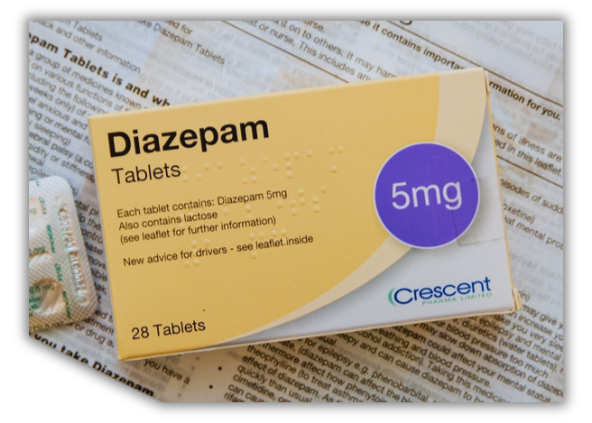
Description
Diazepam has been a basic anxiety treatment medicine in Britain for nearly six decades. Diazepam is usually prescribed for conditions ranging from anxiety and insomnia to epilepsy and muscle spasms. Yet despite its widespread use across the UK, questions persist about its long-term effectiveness, safety profile, and the growing concerns about dependence and withdrawal.
Recent research reveals that diazepam works by enhancing the activity of gamma-aminobutyric acid (GABA) receptors in the brain, producing its calming effects. However, this same mechanism underlies the risks of tolerance, addiction, and adverse cognitive effects that have led to increasingly restricted prescribing practices.
Understanding the current evidence on diazepam is essential, particularly as prescription patterns remain high even amid growing awareness of benzodiazepine-related harms.
The scientific landscape around diazepam has evolved considerably in recent years. Current research focuses on its mechanisms of action, clinical applications in acute seizure management, pharmacokinetics, and the assessment of risks associated with long-term use.
Studies indicate that whilst diazepam offers rapid symptom relief and reliable efficacy for short-term conditions, concerns about memory impairment, falls, and the potential for misuse have prompted healthcare professionals to reconsider its role in modern therapeutics.
Key Takeaways
- Diazepam enhances GABA receptor activity in the brain to produce therapeutic effects but carries risks of dependence, tolerance, and withdrawal with prolonged use
- The medication remains effective for short-term management of anxiety, seizures, and muscle spasms, though long-term prescribing has become more restricted due to safety concerns
- Current research emphasises improved formulations for acute seizure treatment and better assessment methods for managing benzodiazepine risks in clinical practice
Pharmacology and Mechanism of Action
Diazepam functions as a positive allosteric modulator of GABAA receptors in the central nervous system, enhancing inhibitory neurotransmission through binding at specific receptor sites. The drug undergoes extensive hepatic metabolism producing active metabolites with prolonged half-lives.
Its pharmacological profile differs from other benzodiazepines in terms of potency, duration, and receptor binding characteristics.
Benzodiazepine Class Overview
Benzodiazepines represent a class of psychoactive medications that share a common chemical structure comprising a benzene ring fused to a diazepine ring. Diazepam belongs to the 1,4-benzodiazepine subclass and has served as a reference compound since its introduction in the 1960s.
The benzodiazepine class includes numerous compounds with varying properties. Short-acting agents include midazolam and triazolam, whilst medium-acting options encompass alprazolam, lorazepam, lormetazepam, oxazepam, and temazepam.
Long-acting benzodiazepines comprise chlordiazepoxide, clobazam, clonazepam, flurazepam, and nitrazepam.
Designer benzodiazepines such as flualprazolam, flubromazolam, clonazolam, and etizolam have emerged in recent years. These compounds often demonstrate unpredictable pharmacological profiles and safety concerns.
GABAA Receptor Modulation by Diazepam
Diazepam produces its therapeutic effects by enhancing the action of gamma-aminobutyric acid (GABA), the primary inhibitory neurotransmitter in your central nervous system. The drug binds to GABAA receptors at a specific site distinct from where GABA itself attaches.
GABAA receptors are pentameric ligand-gated ion channels composed of different subunit combinations. Diazepam binds at the interface between α and γ subunits, specifically at receptors containing α1, α2, α3, or α5 subunits paired with γ2 subunits.
This binding increases the frequency of chloride channel opening when GABA is present, enhancing chloride ion influx into neurons. The increased chloride conductance hyperpolarises neuronal membranes, making them less likely to fire action potentials.
This mechanism underlies diazepam’s anxiolytic, sedative, muscle-relaxant, anticonvulsant, and amnestic properties.
Pharmacokinetics and Active Metabolites
Diazepam exhibits rapid absorption following oral administration, with peak plasma concentrations occurring within 30 to 90 minutes. The drug is highly lipophilic, allowing extensive distribution throughout your body tissues and rapid penetration across the blood-brain barrier.
The drug undergoes hepatic metabolism primarily through CYP2C19 and CYP3A4 enzymes. This metabolism produces several active metabolites, most notably desmethyldiazepam (nordiazepam), which possesses a half-life of 50 to 100 hours.
Desmethyldiazepam is further metabolised to oxazepam and temazepam, both of which are active benzodiazepines in their own right. Diazepam itself has a half-life ranging from 20 to 100 hours depending on patient factors.
The extended half-lives of both diazepam and its metabolites result in prolonged pharmacological effects and potential drug accumulation with repeated dosing. This characteristic distinguishes it from shorter-acting benzodiazepines like lorazepam or midazolam.
Comparative Pharmacology with Related Benzodiazepines
Diazepam’s pharmacological profile differs substantially from other benzodiazepines in several key parameters. Compared to alprazolam and lorazepam, diazepam demonstrates lower potency but longer duration of action due to its active metabolites.
Clonazepam shares diazepam’s long duration but exhibits higher receptor binding affinity and greater anticonvulsant potency. Midazolam provides faster onset but much shorter duration, making it suitable for procedural sedation rather than chronic anxiety management.
Clobazam demonstrates selective anticonvulsant properties with reduced sedation compared to diazepam.
The following table summarises key differences:
| Benzodiazepine | Half-life | Active Metabolites | Relative Potency |
|---|---|---|---|
| Diazepam | 20-100 hours | Yes | 1.0 (reference) |
| Lorazepam | 10-20 hours | No | 5.0 |
| Alprazolam | 11-16 hours | No | 10.0 |
| Clonazepam | 18-50 hours | No | 20.0 |
| Midazolam | 1.5-2.5 hours | Yes (minimal) | 2.0 |
Diazepam’s multiple active metabolites and extended elimination distinguish it from single-entity benzodiazepines like lorazepam and oxazepam, which undergo direct glucuronidation without producing active compounds.
Therapeutic Uses and Clinical Effectiveness
Diazepam demonstrates therapeutic value across multiple clinical scenarios, with established efficacy in anxiety disorders, seizure management, muscle spasticity, and acute sedation. The medication’s effectiveness depends on proper dosing strategies and careful consideration of patient-specific factors within UK clinical practice.
Anxiolytic and Sedative Properties
Diazepam produces anxiolytic effects by enhancing gamma-aminobutyric acid (GABA) activity in your central nervous system. This mechanism creates a calming effect that reduces anxiety symptoms and promotes sedation when needed.
The drug works effectively for short-term anxiety management. You might receive diazepam for acute anxiety episodes or situational anxiety before medical procedures.
UK clinical guidelines typically limit anxiolytic use to 2-4 weeks due to tolerance and dependence risks. The sedative properties make diazepam useful for pre-operative sedation.
Healthcare providers often prescribe it to help you relax before surgery or dental treatments. The hypnotic effects can also assist with short-term sleep disturbances related to anxiety, though this isn’t a primary indication in current UK practice.
Anticonvulsant and Rescue Therapy Applications
Diazepam serves as an important anticonvulsant medication in emergency settings. Your medical team might administer it for status epilepticus or prolonged seizures that don’t respond to first-line treatments.
Rectal diazepam formulations (such as Stesolid Rectal Tubes) allow caregivers to provide rescue therapy outside hospital settings. These preparations are particularly valuable for managing prolonged or repeated seizures in children and adults with epilepsy.
The anticonvulsant efficacy stems from diazepam’s ability to enhance inhibitory neurotransmission. This action rapidly suppresses abnormal electrical activity in your brain during seizures.
Muscle Relaxation and Spasticity Management
The muscle-relaxant properties of diazepam benefit patients experiencing muscle spasms or spasticity. You might receive this medication for conditions including cerebral palsy, multiple sclerosis, or spinal cord injuries.
Diazepam reduces muscle tone by acting on GABA receptors in your spinal cord and brain. This effect helps relieve painful muscle contractions and improves mobility in some cases.
UK practitioners also prescribe diazepam for acute musculoskeletal conditions with muscle spasm. The treatment duration remains short-term to minimise adverse effects and withdrawal risks.
Dosing Regimens in UK Practice
UK dosing regimens vary based on your condition and individual factors. For anxiety, typical oral doses range from 2 mg three times daily up to 15-30 mg daily in divided doses for severe cases.
Anticonvulsant dosing differs significantly. Rectal diazepam for seizure rescue typically involves 10-20 mg for adults, with paediatric doses calculated by weight (0.5 mg/kg).
Your prescriber considers multiple factors when determining your dosing regimen:
- Age and weight – Elderly patients often require reduced doses
- Hepatic function – Liver impairment necessitates dose adjustments
- Treatment duration – Short-term use minimises tolerance development
- Concurrent medications – Other CNS depressants require careful monitoring
Withdrawal management requires gradual dose reduction. You shouldn’t stop diazepam abruptly after regular use, as this may trigger withdrawal symptoms including anxiety, tremor, and seizures in severe cases.
Risks, Dependence, and Emerging Challenges
Diazepam carries significant risks when used beyond short-term crisis management, with tolerance developing rapidly and dependence occurring within weeks of regular use. The UK faces mounting challenges from both prescribed and illicit benzodiazepines, with street supplies containing unpredictable substances that contribute to drug-related deaths.
Tolerance, Dependence, and Withdrawal Syndrome
Your body adapts to diazepam quickly, requiring higher doses to achieve the same effect. The National Institute for Health and Care Excellence recommends benzodiazepine use for only 2-4 weeks during crises for generalised anxiety disorder.
Beyond this period, your risk of dependence increases substantially. Physical dependence can develop even at therapeutic doses.
Your body becomes accustomed to the drug’s presence, making cessation difficult without medical supervision. When you stop taking diazepam abruptly, withdrawal symptoms emerge that can be severe and potentially dangerous.
Withdrawal syndrome includes anxiety rebound, insomnia, tremors, sweating, and in severe cases, seizures. These symptoms often mirror the original condition you were treating, making it difficult to distinguish between withdrawal and relapse.
The withdrawal process may last weeks or months, requiring careful tapering under medical guidance.
Side Effects and Safety Considerations
Diazepam affects how neurotransmitters pass messages to your brain cells, creating a calming effect but also causing unwanted reactions.
Common side effects include drowsiness, confusion, muscle weakness, and impaired coordination. These effects increase your risk of falls and accidents, particularly if you’re elderly.
Long-term use brings additional concerns. You may experience memory problems, cognitive impairment, and reduced alertness.
Driving ability becomes compromised. Combining diazepam with alcohol or other depressants creates dangerous interactions.
Your prescriber should assess risk factors including history of substance use disorders, mental health conditions, concurrent medication use, and previous benzodiazepine exposure before initiating treatment.
Street Benzodiazepines and Drug-Related Deaths
Illicit benzodiazepines represent a growing threat in the UK. Street supplies often contain substances other than diazepam, with unpredictable potency and contamination.
You cannot verify the contents or strength of non-prescribed tablets. These counterfeit products contribute to rising drug-related deaths.
Illicit benzodiazepines are frequently involved in poly-drug fatalities, particularly when combined with opioids or alcohol. The unpredictable nature of street supplies means you face unknown risks with each dose.
WEDINOS Submissions and Illicit Use Trends
WEDINOS (Welsh Emerging Drugs and Identification of Novel Substances) data reveals concerning patterns in illicit benzodiazepine use across the UK. Submissions to the service show increasing prevalence of fake diazepam tablets containing novel benzodiazepines not licensed for medical use.
Analysis of WEDINOS submissions identifies substances like etizolam and alprazolam in products sold as diazepam. These compounds have different potencies and duration of action compared to pharmaceutical diazepam.
Your risk increases when taking substances with unknown pharmacological profiles, as standard dosing guidance doesn’t apply and interactions remain poorly understood.
Frequently Asked Questions
Diazepam remains a controlled medication in the UK with specific clinical applications ranging from acute seizure management to muscle spasm relief. Its use requires careful consideration of pharmacokinetic properties, potential drug interactions, and evolving regulatory frameworks that shape prescribing practices.
What are the current applications and limitations of diazepam injections in a clinical setting?
Diazepam injections serve several critical purposes in UK healthcare settings. You’ll find them used primarily for status epilepticus, severe acute anxiety, muscle spasms associated with upper motor neuron disorders, and as preoperative sedation.
The injectable form offers rapid onset of action, which makes it valuable in emergency situations.
However, its use comes with notable limitations that restrict routine application. Diazepam injections can cause respiratory depression, particularly when combined with other sedatives.
The medication may also lead to hypotension and local venous irritation at the injection site. Healthcare providers typically reserve injectable diazepam for acute situations rather than chronic management.
The sedative effects can impair your motor coordination and cognitive function. This makes it unsuitable for patients who need to remain alert.
How do diazepam’s pharmacokinetic properties affect its therapeutic efficacy and safety profile?
Diazepam increases the activity of gamma-aminobutyric acid (GABA), a calming chemical in your brain. This mechanism produces its anxiolytic, anticonvulsant, and muscle relaxant effects.
The drug has a long half-life ranging from 20 to 100 hours, with active metabolites that extend its duration of action. This prolonged activity means the medication can accumulate in your system with repeated dosing.
Your liver metabolises diazepam through the cytochrome P450 enzyme system, specifically CYP2C19 and CYP3A4. The metabolites, particularly desmethyldiazepam, remain pharmacologically active and contribute to the overall effect.
The drug is highly lipophilic, meaning it distributes readily into fatty tissues. This property affects both its onset and duration of action, as the medication can redistribute from the brain to other tissues over time.
Elderly patients and those with liver impairment may experience prolonged effects due to altered metabolism. Your renal function also influences the elimination of diazepam metabolites, though to a lesser extent than hepatic function.
Can you detail the potential drug interactions when taking diazepam and their clinical implications?
Diazepam interacts with numerous medications, and you must inform your healthcare provider about all substances you’re taking. Central nervous system depressants, including alcohol, opioids, and other sedatives, can dangerously enhance diazepam’s sedative effects.
The combination with opioid medications poses particular risks. This pairing increases your chances of severe respiratory depression, excessive sedation, and potentially fatal outcomes.
Medications that inhibit CYP3A4 or CYP2C19 enzymes can increase diazepam levels in your blood. These include certain antifungals like fluconazole, some antibiotics such as erythromycin, and proton pump inhibitors like omeprazole.
Conversely, enzyme inducers like rifampicin and carbamazepine may reduce diazepam’s effectiveness. Your body metabolises the medication more quickly when you take these drugs together.
Grapefruit juice can also affect diazepam metabolism through enzyme inhibition. You should avoid consuming large amounts whilst taking this medication.
What are the established guidelines for the safe administration and dosing of diazepam?
The British National Formulary provides detailed guidance on diazepam dosing for various indications. For anxiety, oral doses typically range from 2mg three times daily, which may be increased under specialist supervision.
You should always start with the lowest effective dose. Your healthcare provider will adjust the dosage based on your response and tolerance.
For acute alcohol withdrawal, higher doses may be required initially, often administered in a reducing regimen. This approach helps manage withdrawal symptoms whilst minimising dependence risk.
Treatment duration matters significantly. The guidance recommends short-term use only, typically 2-4 weeks maximum, including a tapering period.
If you’ve been taking diazepam regularly, never stop abruptly. Sudden discontinuation can trigger withdrawal symptoms including seizures, increased anxiety, tremor, and confusion.
Your prescriber should review your need for diazepam regularly. Long-term use increases your risk of tolerance, dependence, and cognitive impairment.
What alternatives to diazepam are currently recommended and under what circumstances?
For anxiety disorders, psychological therapies such as cognitive behavioural therapy (CBT) represent the first-line treatment in the UK. These approaches address underlying thought patterns without medication risks.
Selective serotonin reuptake inhibitors (SSRIs) offer an alternative pharmacological option for anxiety management. Unlike benzodiazepines, they don’t carry the same dependence risks, though they take longer to show effects.
For muscle spasms, physiotherapy and non-benzodiazepine muscle relaxants like baclofen may be more appropriate for chronic management. These options avoid the sedation and dependence issues associated with diazepam.
In epilepsy management, newer anticonvulsants have become available that may suit long-term control better. Levetiracetam and lamotrigine offer seizure prevention without benzodiazepine-related concerns.
For procedural sedation, shorter-acting benzodiazepines like midazolam often prove more suitable. The rapid offset allows better control over sedation depth and duration.
Buspirone provides another option for generalised anxiety disorder, particularly when you need to avoid benzodiazepine side effects. However, it requires several weeks to reach full effectiveness.
How has diazepam’s legal status in the UK changed over recent years, and what impact has this had on its use?
Diazepam remains a Class C controlled drug under the Misuse of Drugs Act 1971.
This classification has been consistent, though enforcement and prescribing scrutiny have intensified.
The medicine became a Schedule 4 controlled drug, which means it has recognised medical uses but potential for abuse.
You need a prescription to obtain it legally, and pharmacists must maintain records of supply.
Recent years have seen increased regulatory attention to benzodiazepine prescribing patterns.
NHS England and clinical commissioning groups have issued guidance encouraging reduced prescribing for long-term use.
Public Health England has published evidence reviews highlighting dependence risks and advocating for alternative treatments.